How AI became the new baseline for software engineering
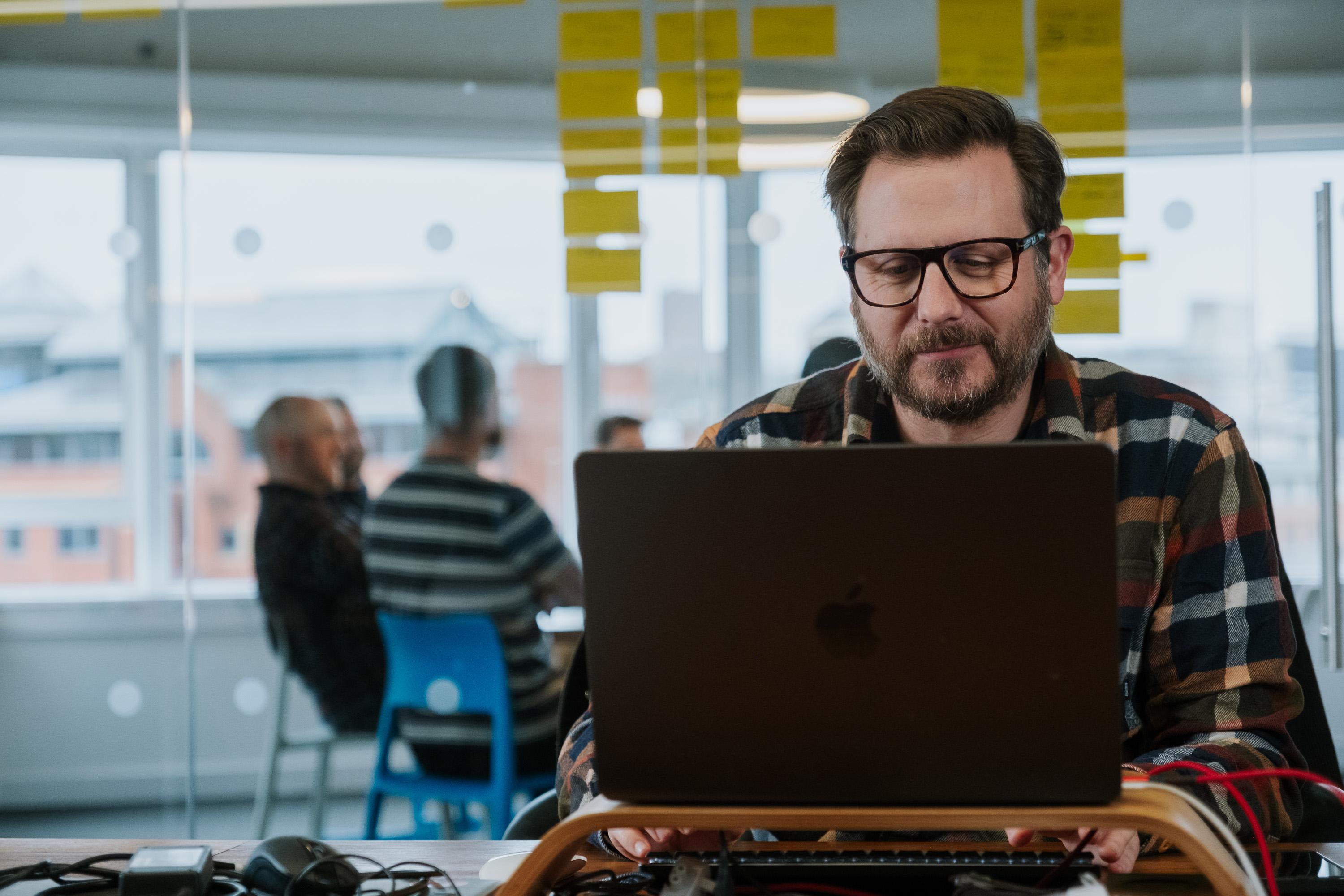
At the end of the year, I sat down with Nick, one of our most experienced software engineers, who’s been writing code longer than most frameworks have existed, to explore how AI has reshaped his work. The conversation revealed a discipline undergoing rapid transformation: faster, broader, riskier, and increasingly reliant on engineers who know how to guide, question, and refine what AI produces.
The tool that changed the game
Nick has used AI tools throughout the year, but he points to Claude Code as the turning point. Unlike browser-based chatbots, Claude Code integrated directly into the terminal and could read a project’s entire file system.
“Suddenly I could say, look at my code and write a new feature, and it actually could.”
Before this, developers were forced to paste fragments of code into chat windows, hoping the model could infer the missing context. With local access, AI could finally see the whole codebase, understand relationships, and make informed decisions, a fundamental shift in how developers interact with their tools.
Cursor and Zed made brief appearances in Nick’s workflow, but he is dyed in the wool Vim advocate and this made Claude Code the natural fit.
The first hint of the power
Nick recalls the first time AI truly earned its keep: when it understood a piece of code with no prior context and performed a meaningful task with it. The early version wasn’t perfect, but the potential was unmistakable.
Just as importantly, Nick himself improved.
“The models got better, but I also learned how to talk to them properly.”
Understanding context windows, avoiding loops, and articulating tasks with clarity became essential skills, less “prompt engineering” and more “effective communication.”
How to start a project with AI
When starting new projects, Nick now begins in Claude Code’s planning mode. The model asks clarifying questions, proposes structure, and helps shape a complete technical plan before any code is written; frameworks, versions, tests, linting, and features included.
Working on existing projects requires a different approach. Claude’s init command scans the repository and generates a CLAUDE.md file that acts as a living architectural snapshot. It identifies technologies, structure, and conventions, giving the model enough insight to write new features responsibly.
“It’s a discovery phase. You’re helping the model understand the codebase so it can actually do the job well.”
Where AI helps (and where it shouldn’t)
Nick uses AI for almost everything, explaining unfamiliar code, assessing implications of changes, or preparing client-facing summaries.
But he draws a firm line around irreversible or destructive operations.
“You wouldn’t point it at a production database and say, ‘Delete this record.’ They’re powerful, but they’re fallible.”
The principle is simple: trust the model, but validate everything.
When AI gets it wrong (and why it often does)
Nick has encountered plenty of AI misfires, but he believes many stem from insufficient context rather than model incompetence.
“Ninety percent of the time, it’s because I didn’t explain it properly.”
He now uses voice input, speaking naturally for a couple of minutes provides context that would take much longer to type. Planning mode remains the safeguard that lets him correct flawed assumptions before code is generated.
The human guardrail
Even when AI writes the code, Nick reviews every file manually in Vim, checks tests and linting, and ensures architectural coherence.
“The guardrails are me.”
It’s an editorial relationship: the AI drafts, the engineer verifies.
A new expectation for Senior Engineers
Nick is direct about the shift underway:
“If you can’t use AI effectively now, you’re not doing your job properly.”
This challenges long-held identities. Many engineers deeply enjoy writing code. But with AI taking on much of the typing, the role is becoming about direction, interrogation, and refinement rather than keystrokes.
The productivity gains, however, are undeniable. Tasks that once required a week can now be completed in a day; tasks that took hours can be solved in minutes.
The acceleration of everyday engineering
Most parts of Nick’s workflow have sped up dramatically. Complex code explanations take minutes. Jira tickets become executable plans almost instantly. New languages are no longer barriers but opportunities.
He estimates he’s working several times quicker, possibly more, provided he continually validates the AI’s work.
Too keen to please: AI’s ongoing limitations
While AI can assist with architectural decisions, it still has a tendency to agree, sometimes too readily. Nick has seen colleagues propose suboptimal approaches that the model implemented without hesitation, only later conceding the flaws when questioned.
Models like Opus 4.5 show promising change, offering critique proactively rather than passively following instructions.
“The pace of improvement is remarkable.”
From coder to conductor
Nick embraces the idea that engineers are shifting from performers to conductors.
“With AI, you’re not just directing one section, you’re conducting the whole orchestra.”
The technology gives developers access to every layer of the stack, expanding their range and capability. But this power comes with responsibility.
The vibe-coding trap
Nick is cautious about the rise of “vibe-coding”, relying on AI to generate code without fully understanding the output.
“For prototypes, it’s fine. But high-quality software still requires real engineering experience.”
He worries that junior developers using AI too early may miss out on building the foundational instincts required to assess architecture and identify subtle issues.
Will AI close the human oversight gap?
Perhaps, but not yet.
AI still mirrors whatever patterns it sees. If the underlying codebase is flawed, the model may simply extend those flaws rather than correct them.
“You still need human judgment to recognise when something isn’t right.”
Experience remains essential, not replaced, but amplified.
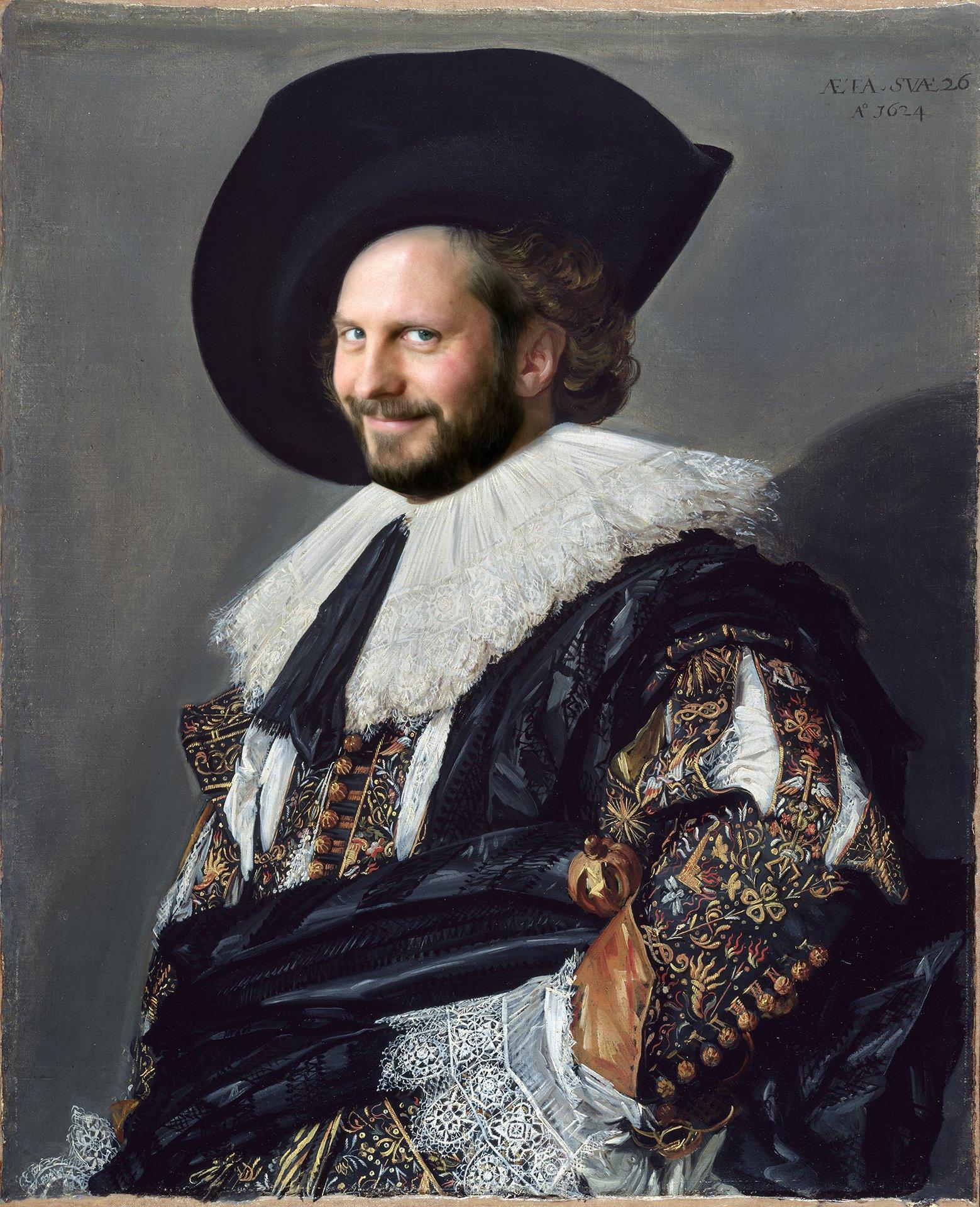
Our conversation left one impression above all: software engineering is changing faster than the culture around it. The work is shifting from creation to critique, from typing to directing, from implementation to orchestration.
AI now forms the baseline for modern engineering productivity.
But the foundation still depends on engineers who understand how to question, guide, and refine its output.
AI may accelerate the work, but it still needs adults in the room.
Written by

Piers Palmer