
The second best way to enjoy cars
Client

Carvatar
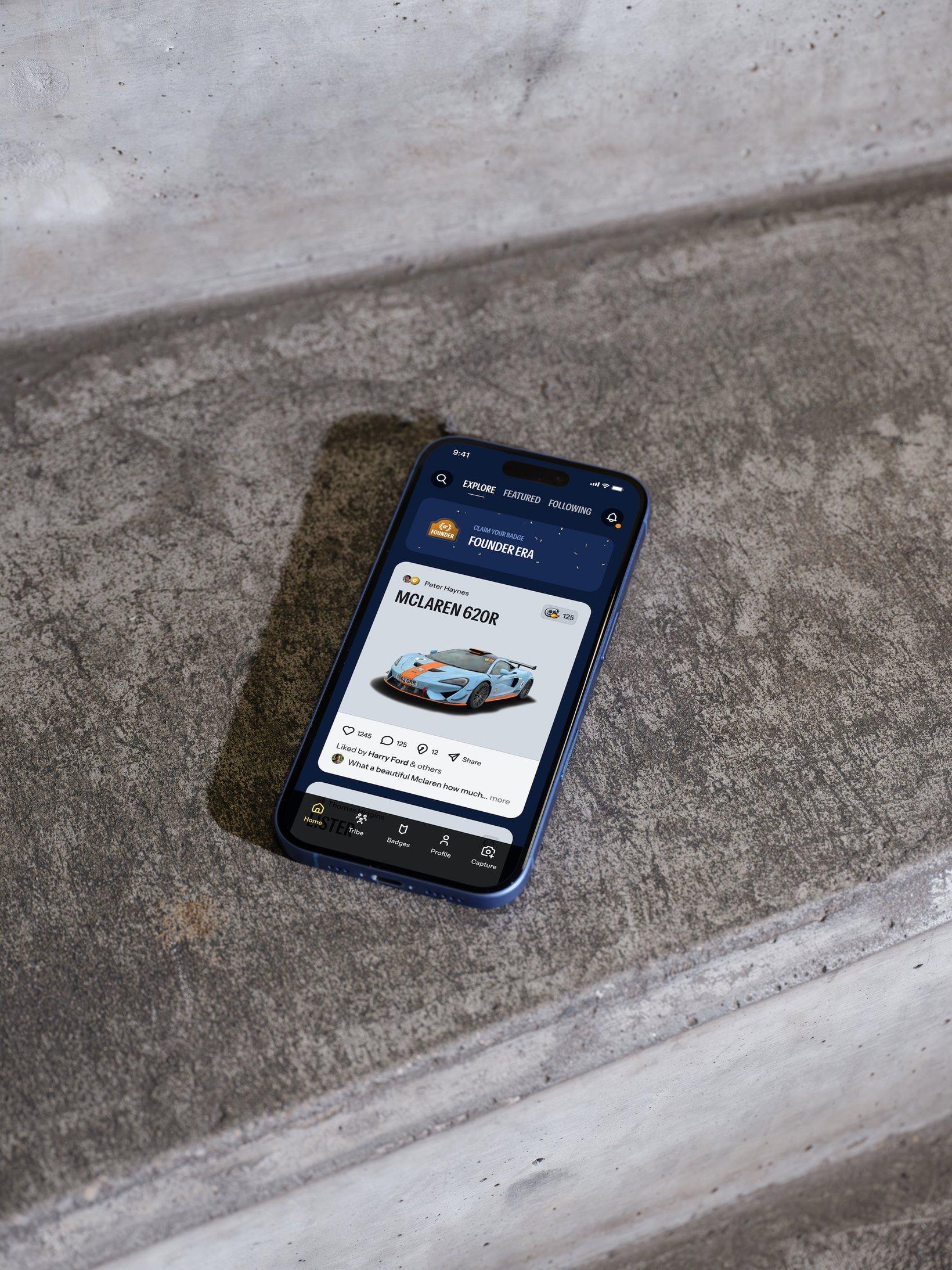
Carvatar's founders came out of the videogames industry with a simple observation. Car manufacturers have used game technology in their configurators for years, yet car enthusiasts still only has photos and video. Both hide the exact thing enthusiasts care about, which is the detail.
You can't park your car in your pocket
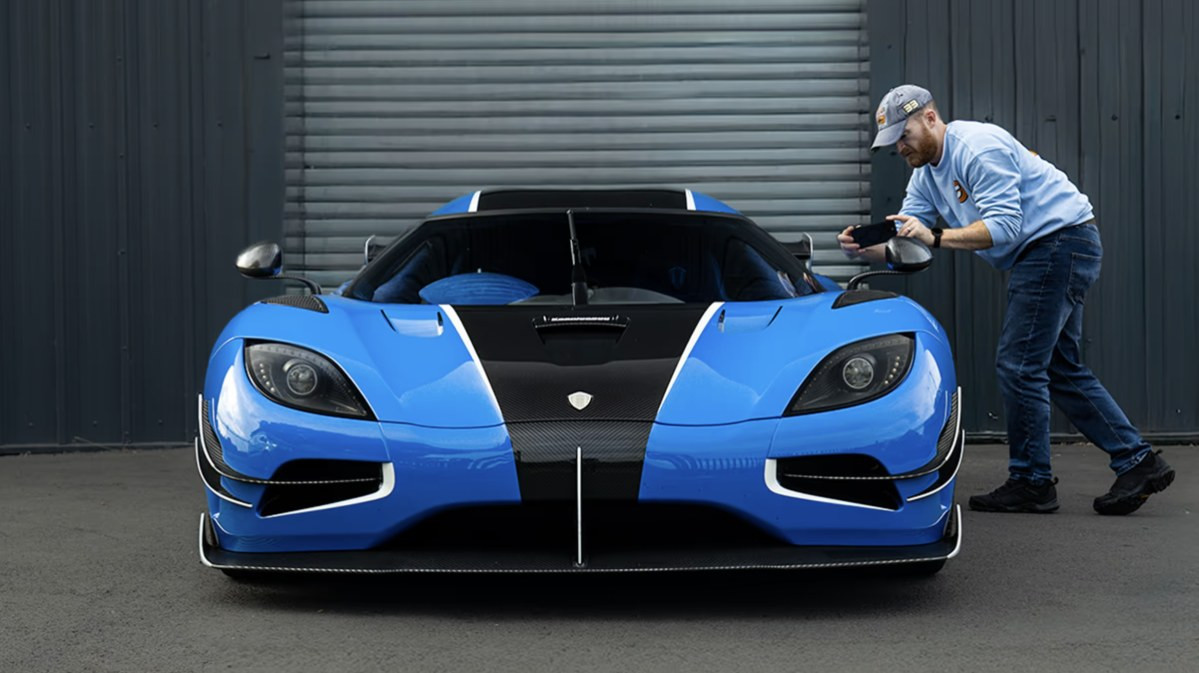
Proper 3D capture usually meant a studio, a turntable, a rig and a specialist. Carvatar needed it to happen in a car park, in a few minutes, on a phone the owner already has in their hand.
Kyan took the call.
From a walk around the car to a 3D model
Kyan built a computer vision pipeline that turns an ordinary set of 2D shots into an interactive 3D avatar. No scanner, no LiDAR rig, no studio.
Guided capture. The app coaches the user while they shoot, watching coverage, angles, light and motion blur in real time. Poor input is where 3D reconstruction usually falls over, so we solved it at source rather than in post.
Neural reconstruction. Instead of classic photogrammetry we use neural reconstruction to infer geometry and light from the frames. It copes with everything that defeats traditional scanning, so gloss paint, chrome, glass and the deep shadow under an arch.
Automatic cleanup. Models are isolated from their background, de-noised, levelled and scaled with nobody touching them. Cars and bikes both, and they behave very differently.
Built to run on a phone. Every model is compressed to spin smoothly on mid-range hardware over mobile data, and to embed on a partner's website.
Spin, zoom, pin, share
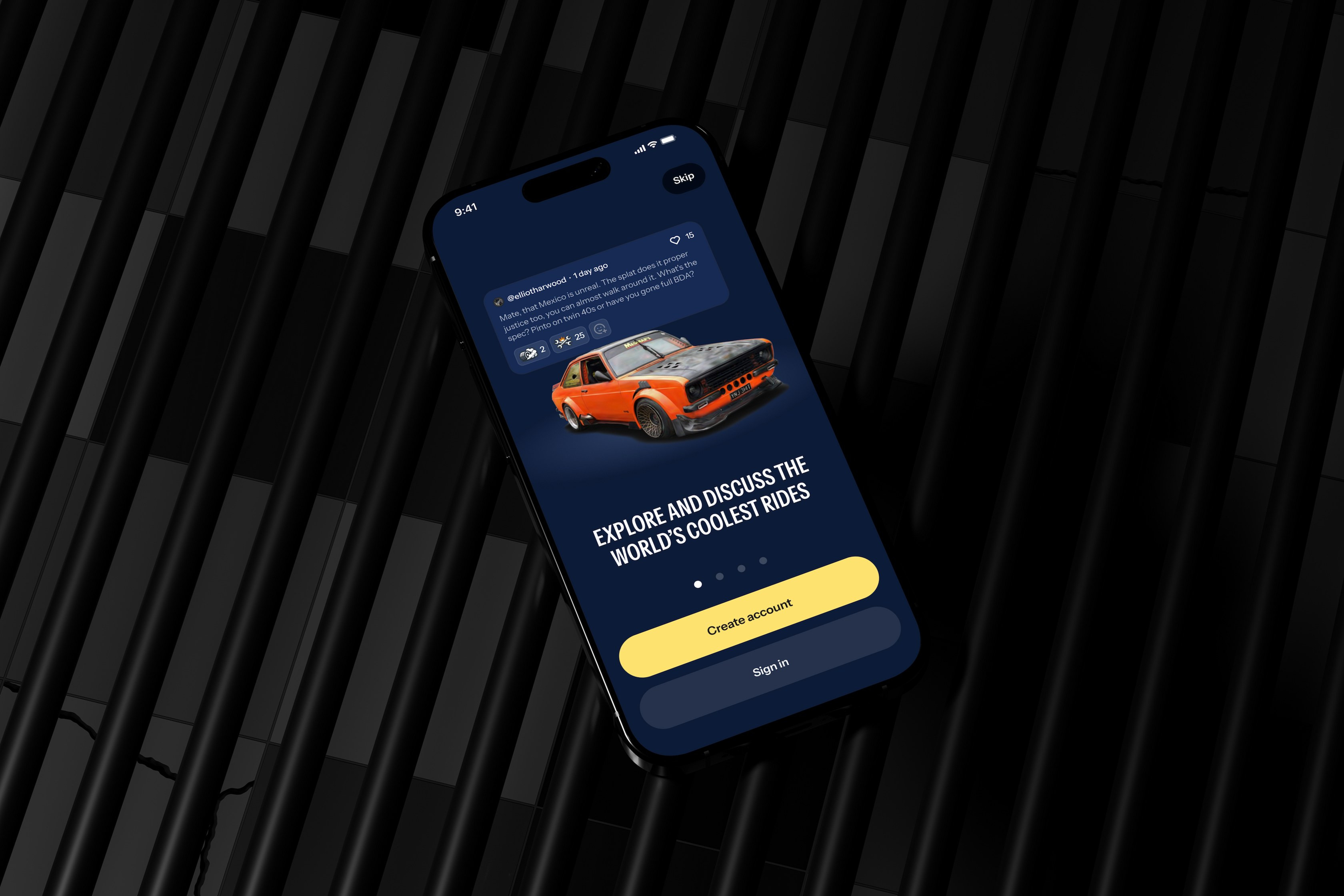
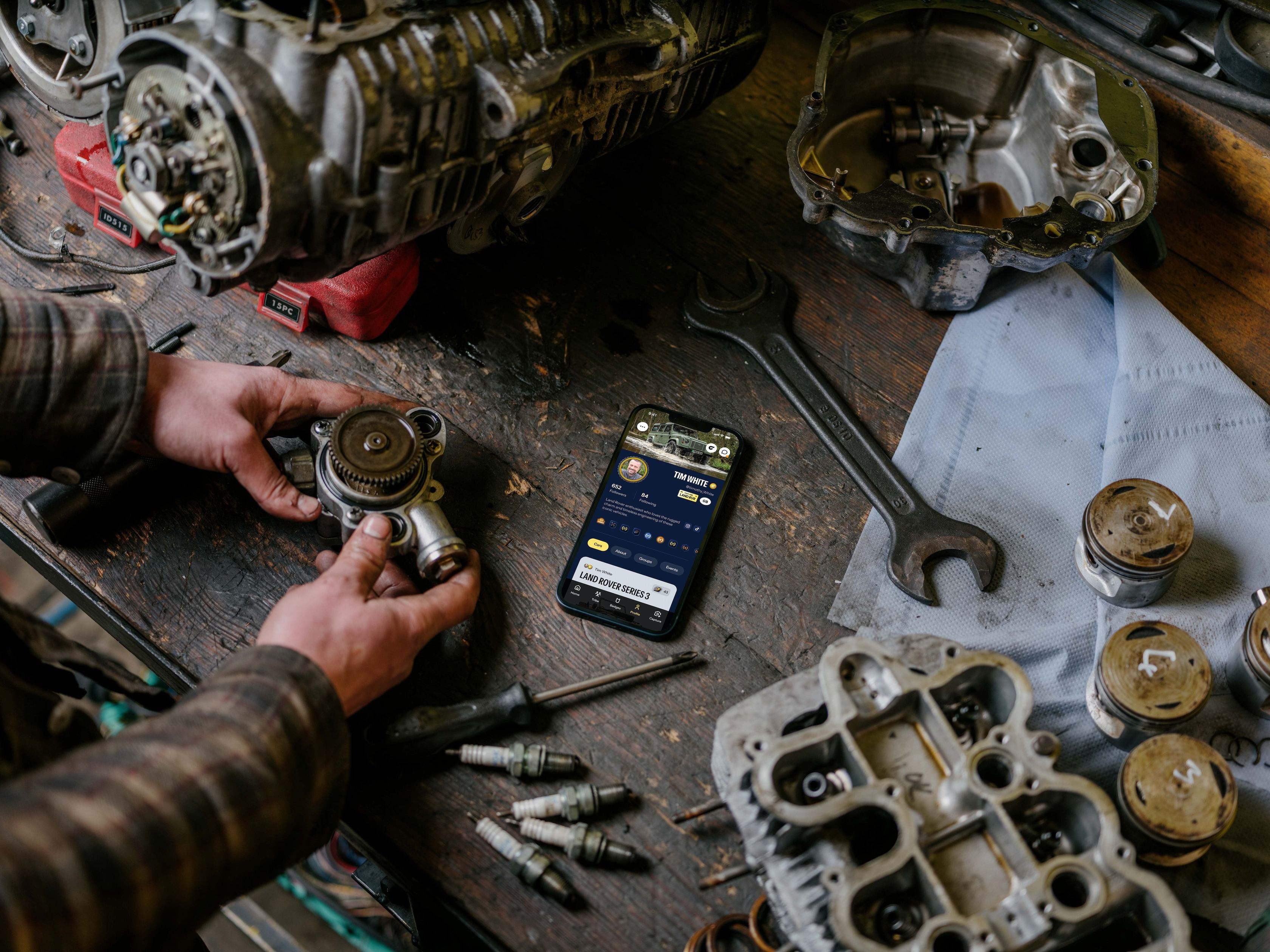
Use your phone to create a 3D avatar of your car, annotate it with comments pinned to specific details and share it with your friends and the Carvatar community. Carvatar allows you to share your pride and joy in a whole new and stunning level of detail.
Owners can spin and zoom their car, then pin a comment to a specific part of it. The turbo, the stitching, the weld.
Those notes anchor in 3D space, so a conversation about one detail stays attached to that detail. It is the thing photos could never do, and it is what turns a model into car culture.
That utility is commercial too. Interactive 3D holds attention in a way photography does not, which is why Carvatar is now in conversation with automotive brands and marketplaces about embedding Carvatars on their own sites. Same capture, new distribution.