Bringing AI magic to a global FMCG event
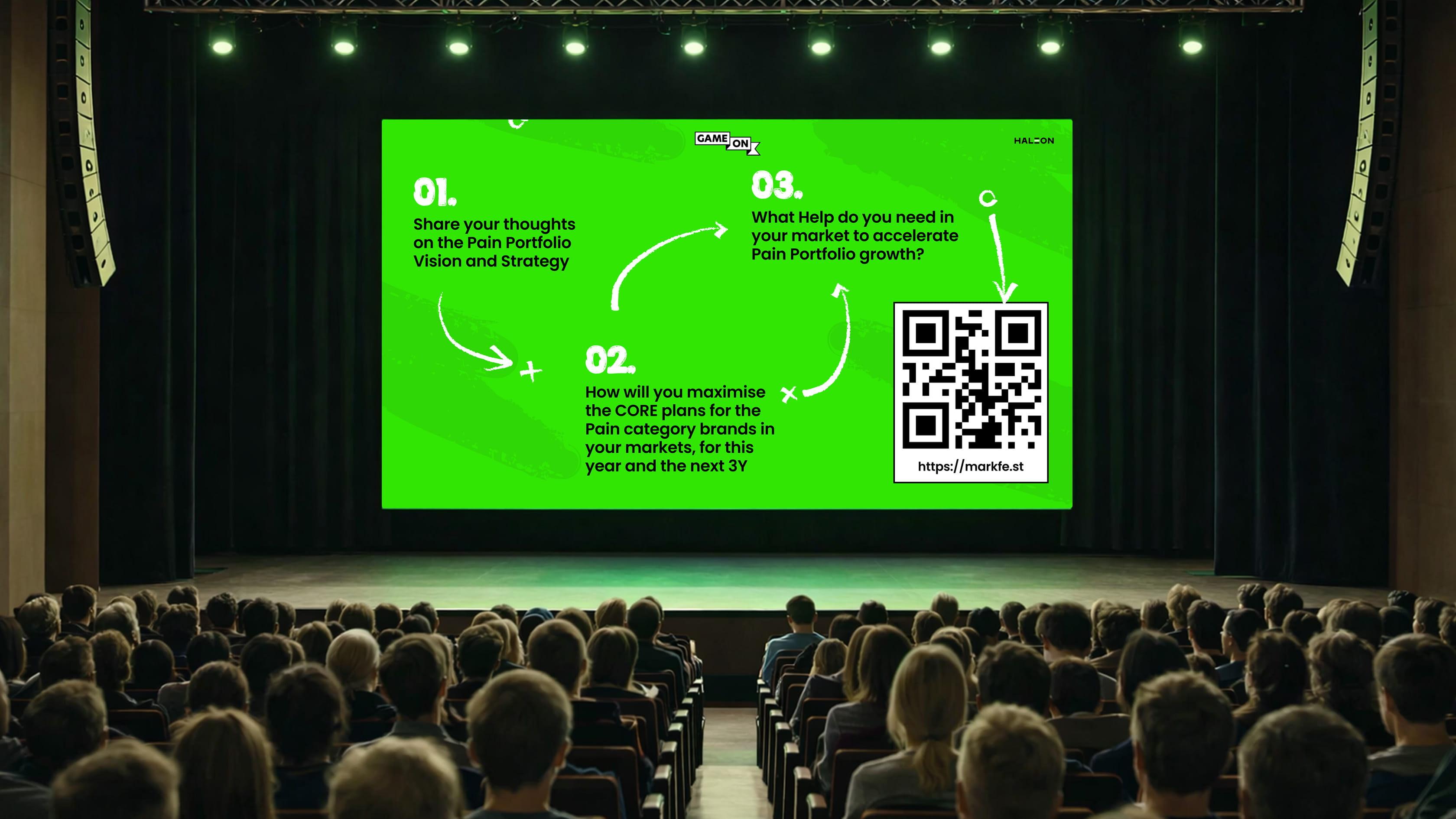
Turning a corporate event into a live, two-way AI experience
Haleon's MarkFest brought together marketers from the Panadol and Voltaren brands to collaborate on sales planning. The brief was simple: make it feel less like a conference and more like a conversation.
The Big Idea
Corporate events have a tendency to become one-directional. Haleon wanted MarkFest to feel genuinely collaborative, a moment where marketers from the Panadol and Voltaren brands could contribute in real time, not just sit and listen.
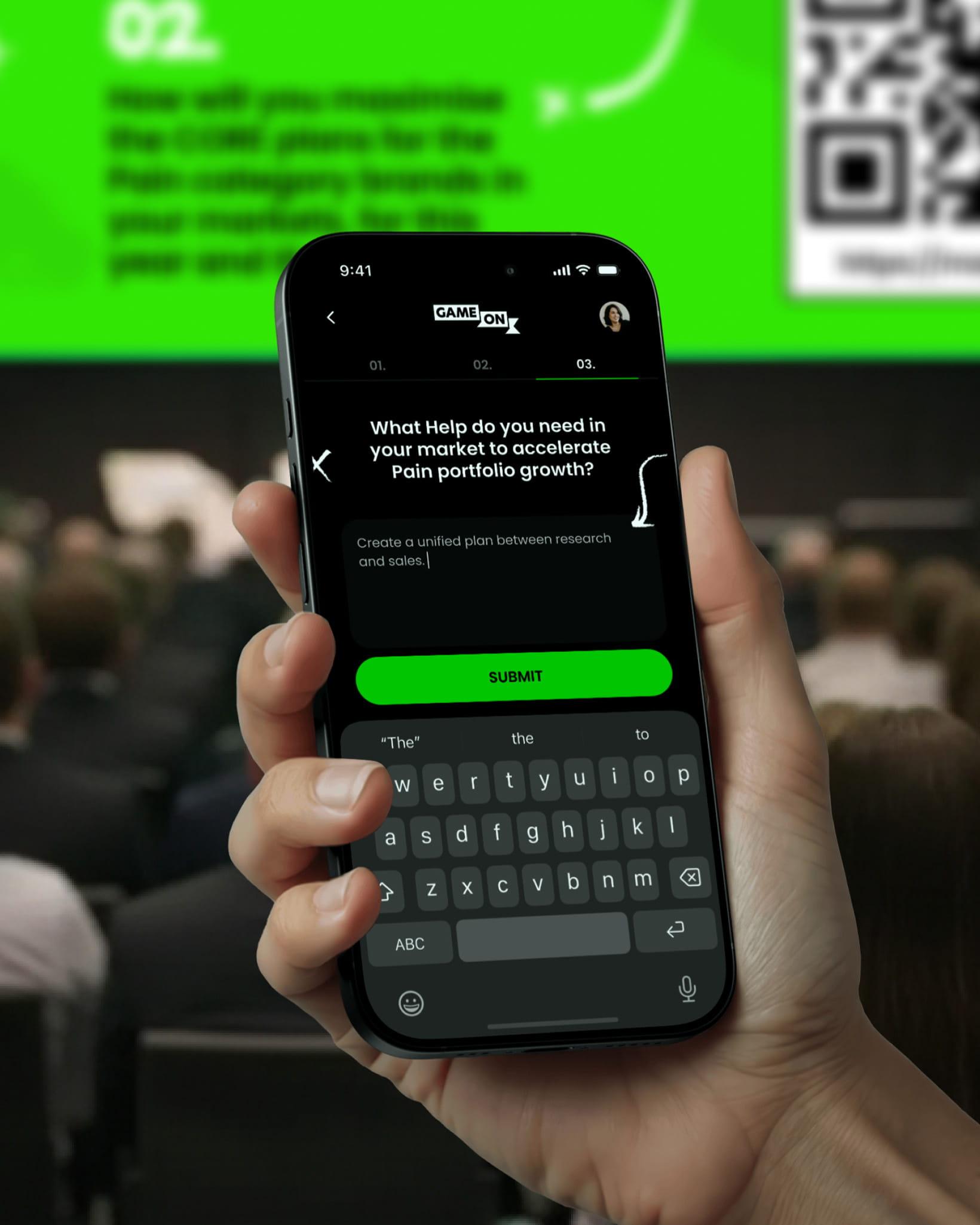
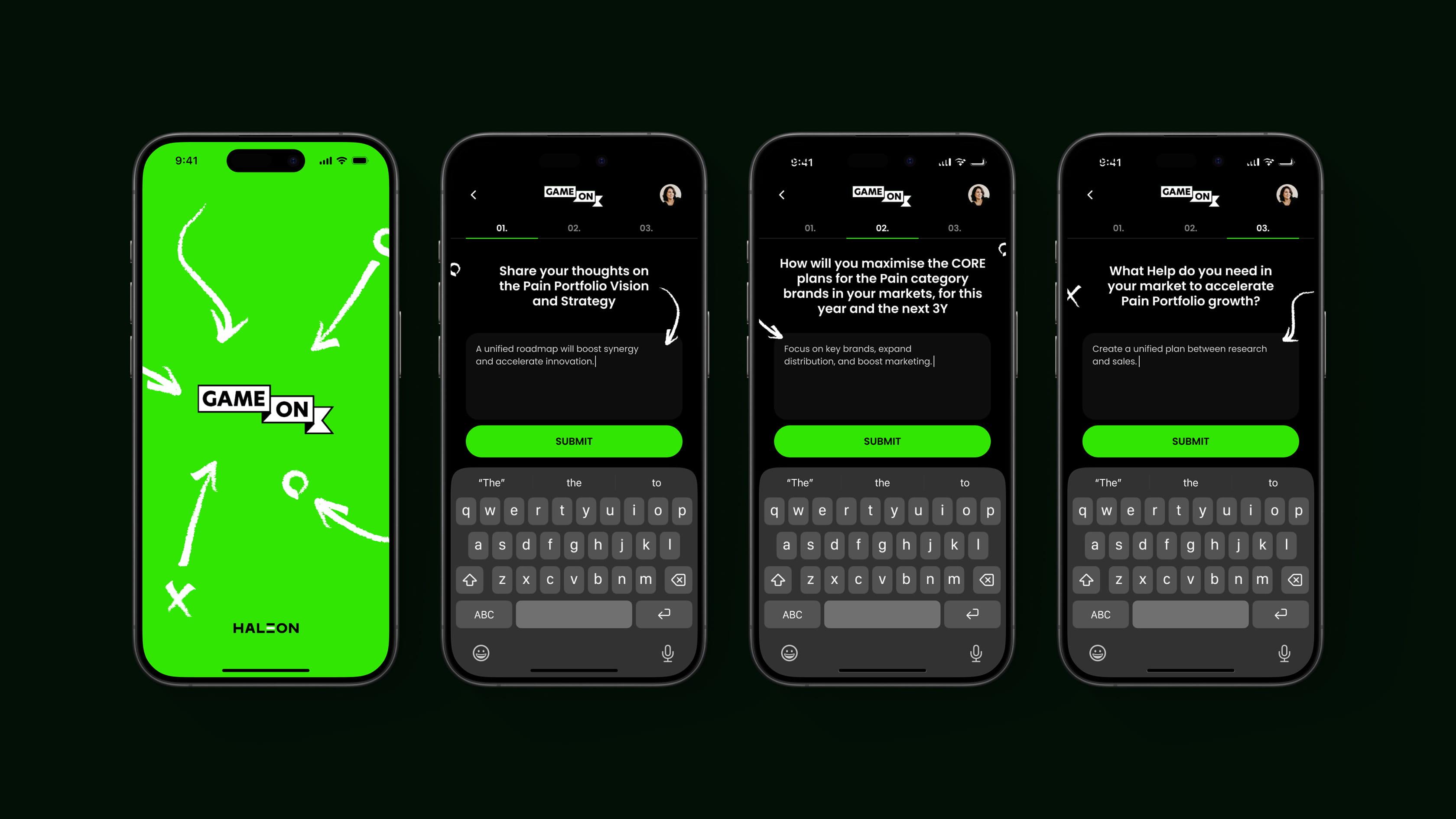
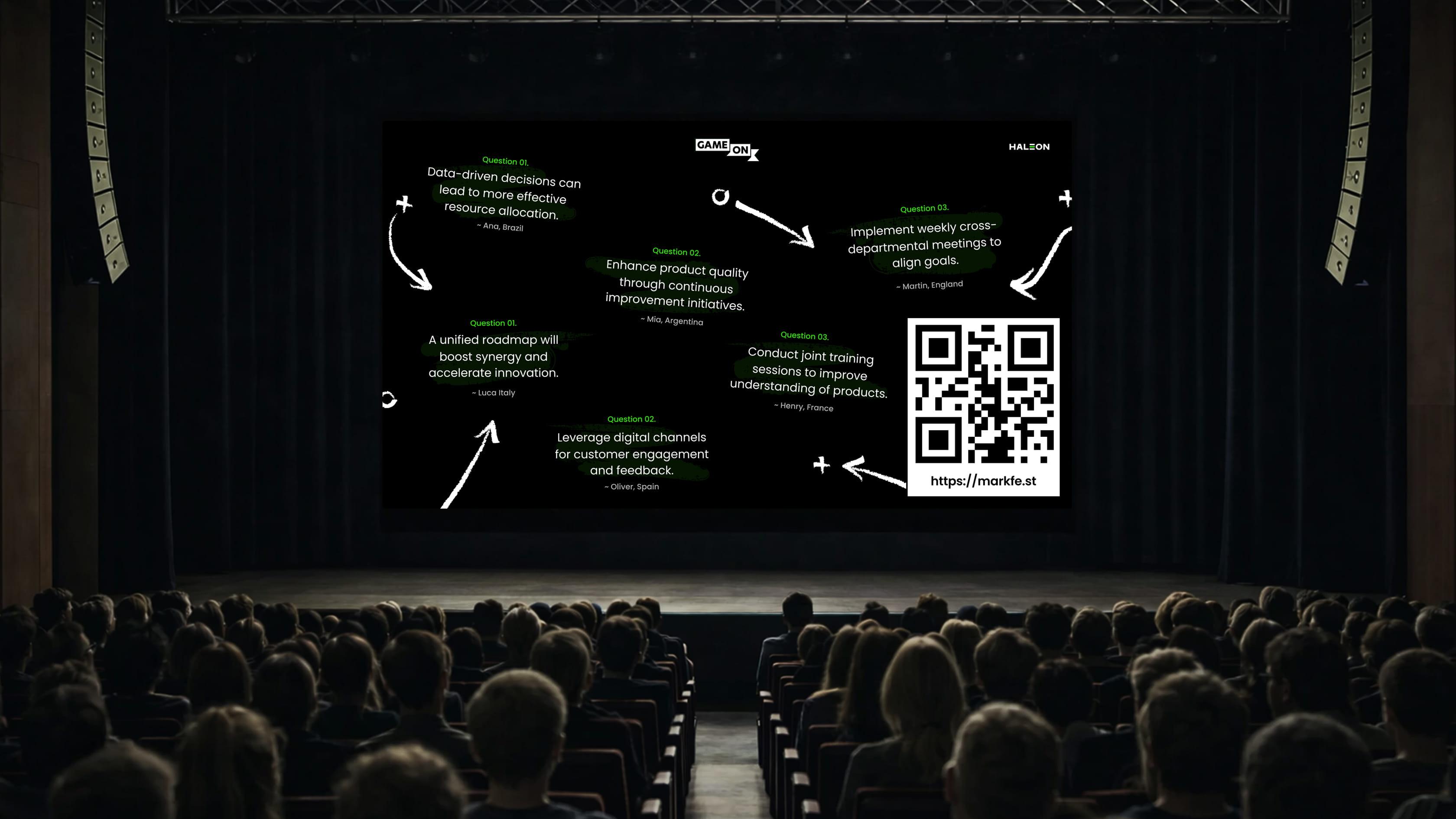
Kyan designed and built an interactive AI experience that put the audience at the centre. Participants submitted live input and feedback directly from their phones. That input was classified and sanitised by AI, then surfaced instantly on the main screen, woven into a live 'playbook' that evolved as the session progressed.
How It Worked
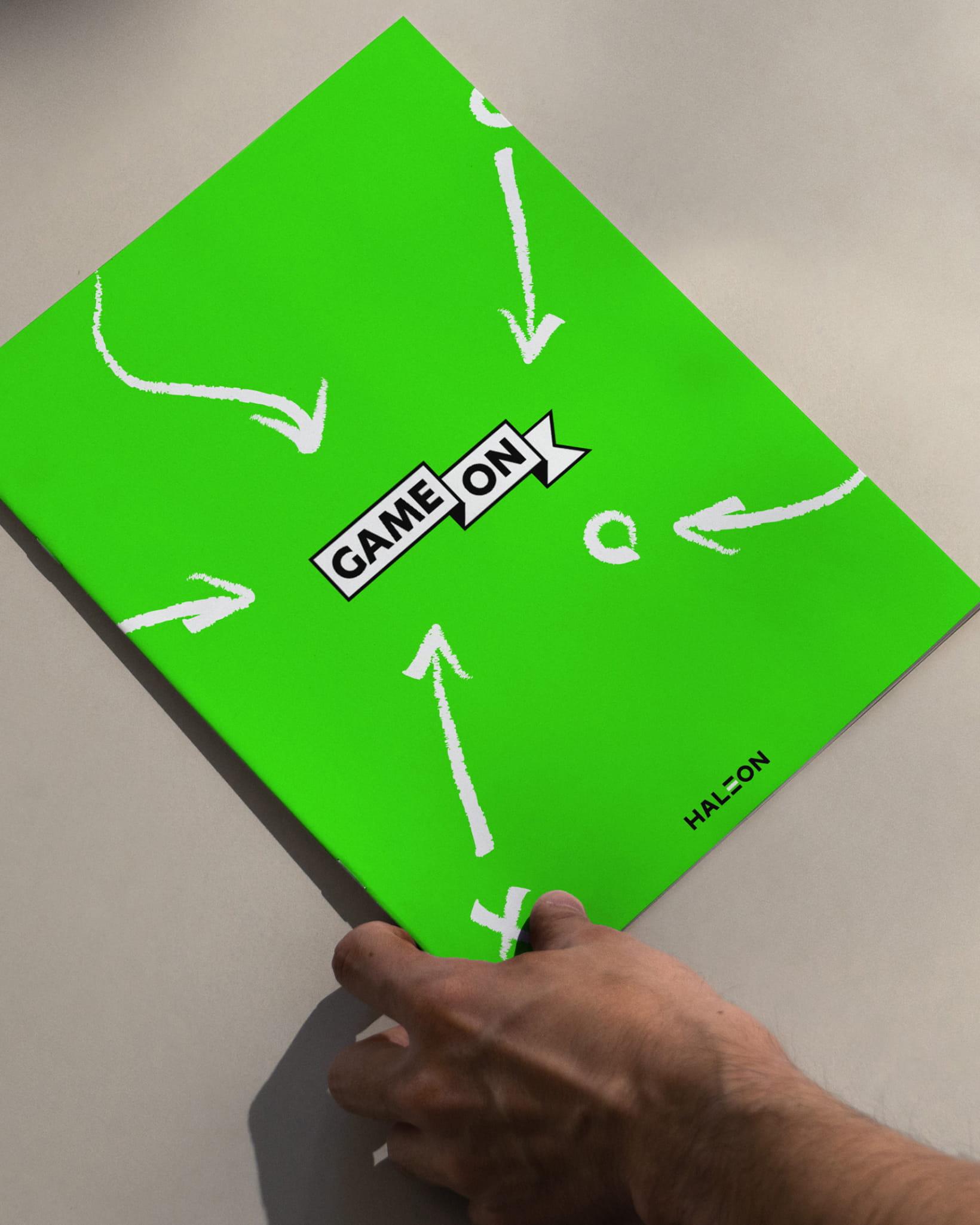
With just an hour to turn session outputs around, speed was everything. Participants submitted input via mobile, which was classified and sanitised by AI and presented live on screen. The AI then generated printed materials from those outputs in moments, turning hours of post-event synthesis into something that landed before people left the room.
The result was a session that felt genuinely two-way. The audience weren't passive recipients, they were contributors and they could see their thinking reflected back in real time.