Why architecture & foundations
Go faster without losing alignment or quality
At Kyan, we define and document the design principles that power your entire digital ecosystem. By establishing clear foundations and structure, we give your teams the freedom to innovate without losing alignment or quality.
Design principles & structure
We’ll help you define the core elements of your visual language; layout, grid, hierarchy and interaction patterns, so that every design decision builds on a strong and unified base.
Visual foundations
From colour palettes and typography to iconography, spacing and motion, we design systems that make your brand instantly recognisable and accessible across every platform.
Accessibility & usability standards
We embed accessibility into your foundations, ensuring that your design system supports inclusive, user-friendly experiences by default.
Documentation & governance
We document your architecture clearly and practically, making it easy for designers, developers and stakeholders to understand, contribute and evolve your design system over time.
Design system governance
Structure that keeps the innovation flowing
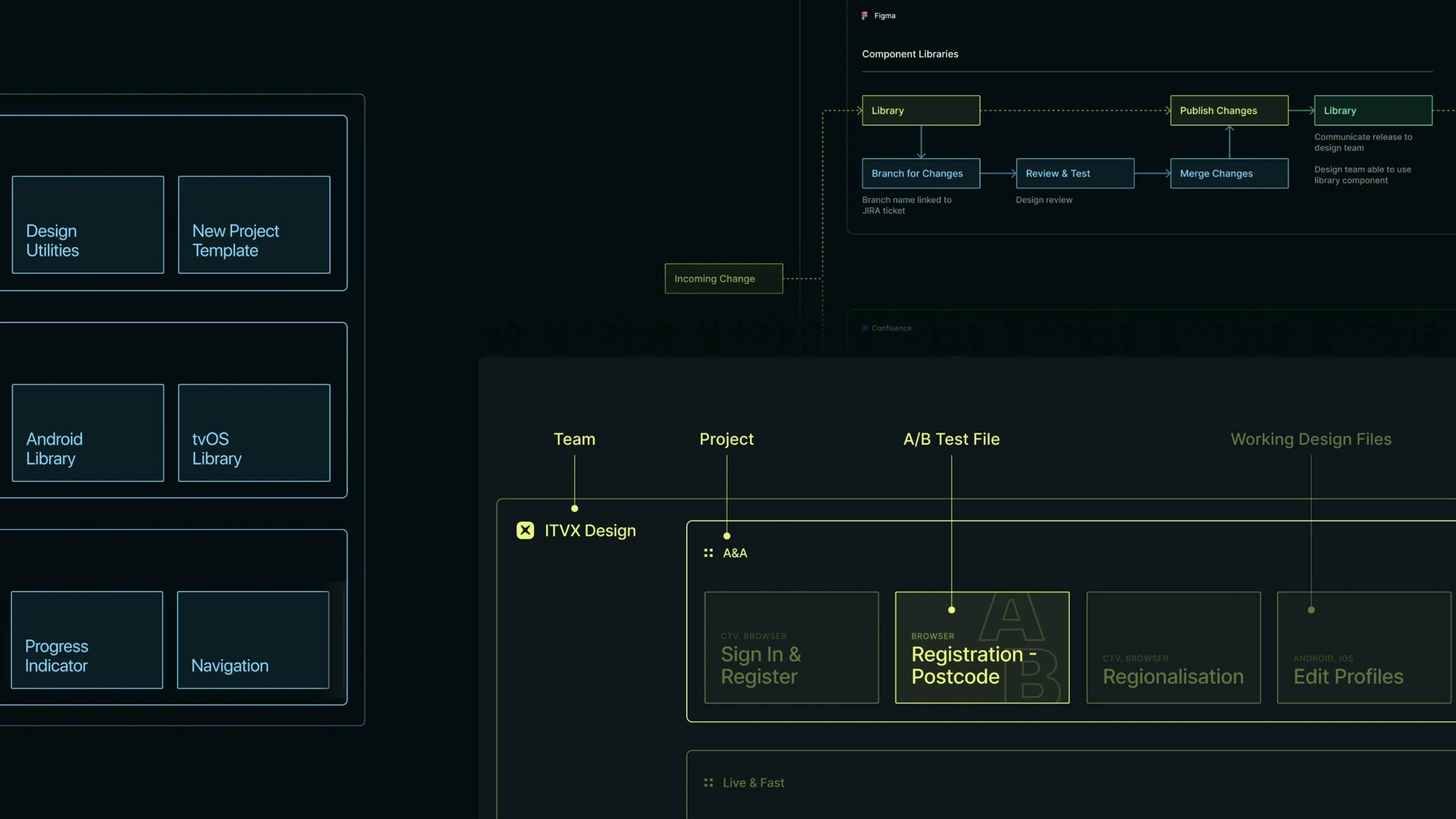
At Kyan, we believe governance is about clarity. With the right rules, roles and workflows in place, your design system can adapt, scale and thrive. We’ll help you create a governance model that keeps your product moving fast and your teams aligned.
Roles & ownership
We define clear ownership models so everyone knows who’s responsible for what, from design contributions and component updates to version releases and documentation.
Workflow & process
We’ll help you establish efficient workflows for proposing, reviewing and releasing updates, so your system grows sustainably without bottlenecks.
Versioning & maintenance
We implement release strategies, version control and change tracking to ensure updates are reliable, traceable and easy to roll back when needed.
Adoption & communication
We help you embed governance into your team culture, driving adoption, education and engagement so that everyone contributes to and benefits from the system.
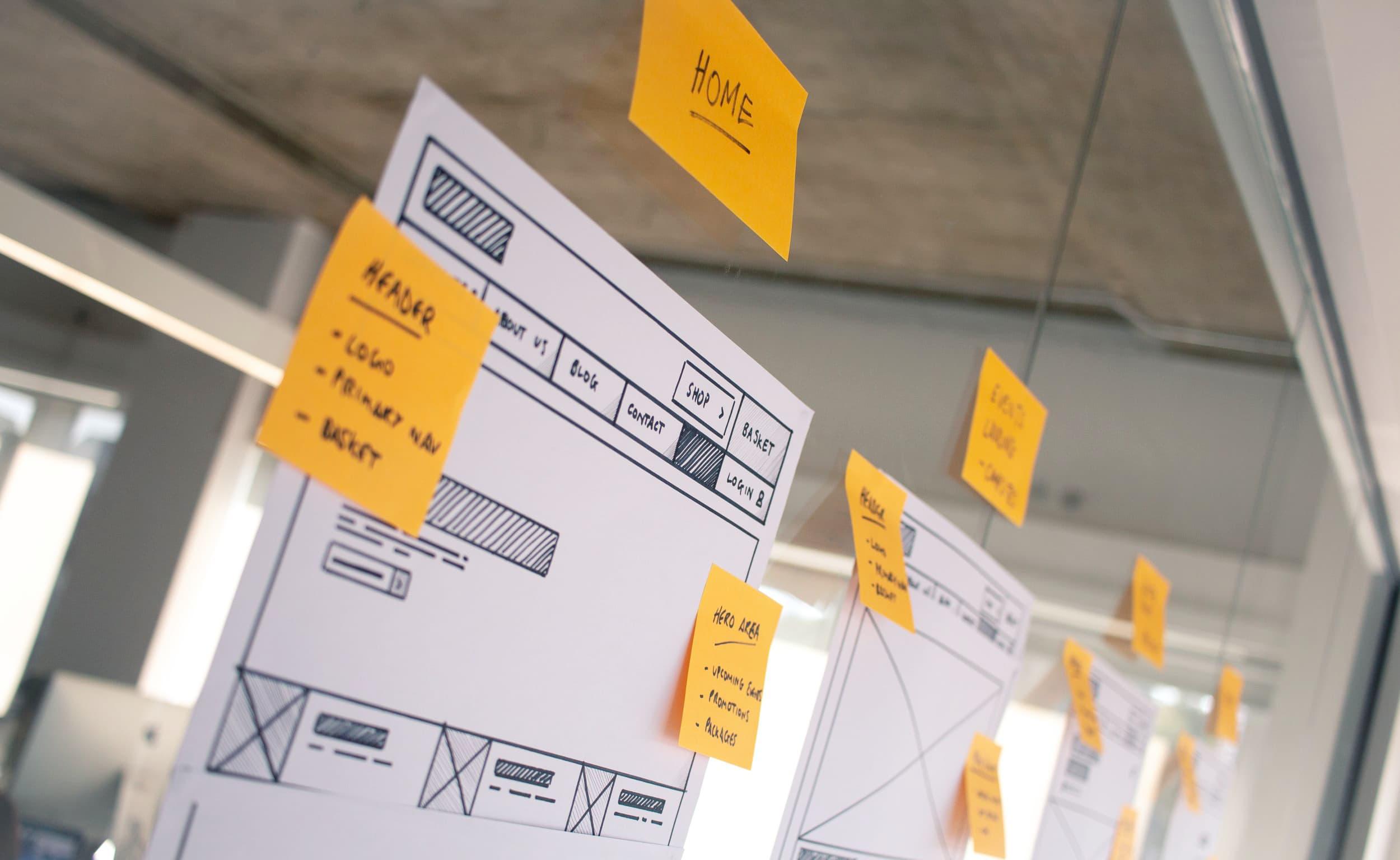
Audit and define
We start by reviewing your existing design landscape, identifying gaps and inconsistencies. Together, we define the foundational elements that will unify your products.
Design and document
We create detailed design tokens, styles and documentation that your teams can reference and build on confidently.

Implement and test
Our engineers and designers integrate your foundations into your tools, from Figma to Storybook and test them across real use cases.

Evolve and scale
We help you govern and grow your system, ensuring that every new product and feature aligns with your foundation.

Why Kyan
Our team blends creative design with technical precision, crafting systems that balance freedom with structure and turn design chaos into clarity
Questions
Design system governance, answered straight
Design system governance is the set of roles, rules and workflows that decide how a design system changes over time: who can propose a new component, how changes are reviewed and released, and how teams find out about them. Good governance keeps a system consistent without turning it into a bottleneck.
Give the system a clear owner, publish a simple contribution process, version every release with a changelog, document decisions alongside the components, and review usage regularly so the system reflects how teams actually work. Most importantly, make contributing easier than working around the system.
It depends on your organisation. A centralised model has a core team that owns everything; a federated model shares ownership across product teams; many organisations use a hybrid. We map it out with a simple RACI, so it is clear who is responsible, accountable, consulted and informed for each type of change.
Typically shared Figma libraries for design, Storybook for documenting and testing components, and versioned releases with changelogs so teams can adopt updates safely. The tooling matters less than the process around it, so we fit governance to the tools your teams already use.
Yes, just a lighter version. Even a small system benefits from a named owner, a clear way to request changes and basic versioning. Putting that in early is far easier than retrofitting it once several teams depend on the system.